Table of Contents
- The Ultimate Guide to Website Promotion in 2026: Navigating the Digital Frontier
- Why Website Promotion is More Critical Than Ever in 2026
- Laying the Foundation: Optimizing Your Website for Success
- Content Marketing: Still King, But Smarter
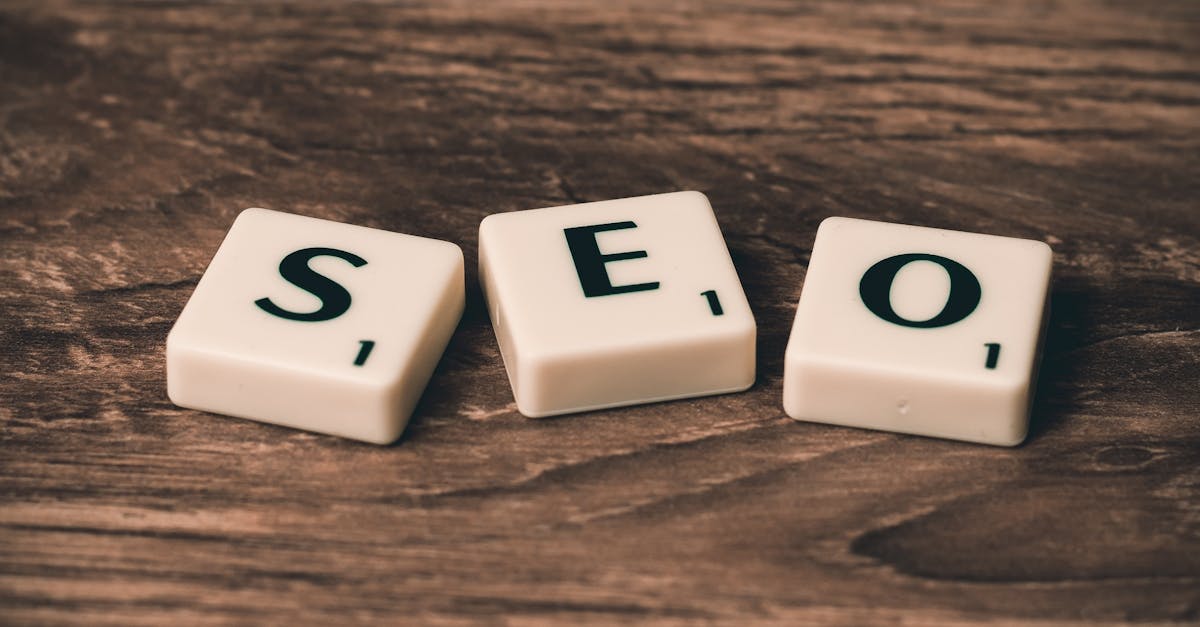
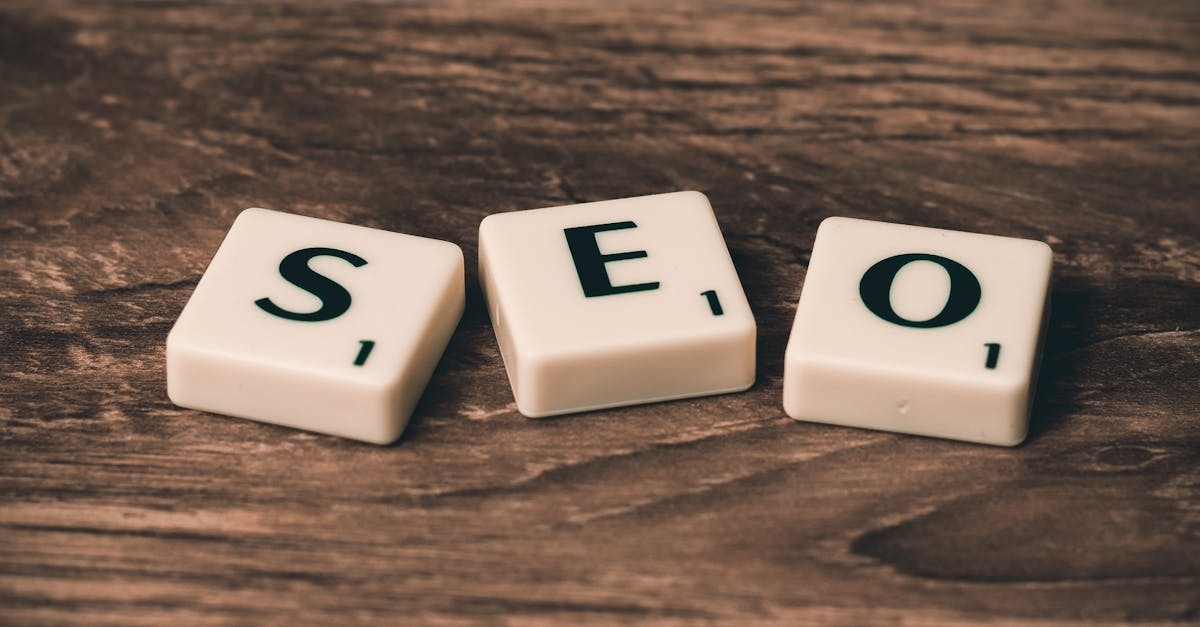
- The Power of Search Engine Optimization (SEO) in 2026
- Social Media Marketing: Building Communities and Authority
- Paid Advertising Strategies for a Competitive Market
- Email Marketing: The Evergreen Channel, Reimagined
- Unconventional Yet Effective Promotion Methods
- Measuring Success: Analytics and Adaptability
- Conclusion: Your Website’s Future is Now
- Frequently Asked Questions (FAQs)
The Ultimate Guide to Website Promotion in 2026: Navigating the Digital Frontier
As we hurtle towards 2026, the digital landscape is not just evolving; it’s practically shape-shifting before our very eyes. Remember the good old days when simply having a website was enough to be considered “online”? Those days are as antiquated as dial-up modems. Today, your website is your digital storefront, your personal brand’s megaphone, or your business’s beating heart, and it needs more than just a welcome mat. It needs a full-blown marketing orchestra to make some noise! If you’re wondering how to cut through the ever-growing cacophony of online voices and genuinely promote your website effectively, you’re in the right place. We’re not just going to scratch the surface; we’re diving deep into the strategies that will define success in 2026.
Why Website Promotion is More Critical Than Ever in 2026
Seriously, why bother with all this fuss? Isn’t a great product or service enough? Well, think of it this way: you could have the most incredible restaurant in the world, with Michelin-star chefs and a menu that makes angels sing, but if it’s hidden down a dark alley with no signage, how will anyone ever find it? Your website is no different. The competition is fiercer, user attention spans are shorter, and the algorithms are smarter. Simply existing isn’t a strategy; it’s a silent whisper in a crowded stadium.
Understanding the Evolving Digital Landscape
The digital world in 2026 is a dynamic beast. We’re seeing unprecedented advancements in artificial intelligence, a shift towards hyper-personalization, and an undeniable dominance of visual and interactive content. Search engines are no longer just matching keywords; they’re interpreting intent and understanding context like never before. Social platforms are fragmenting into niche communities, and user expectations for seamless, valuable experiences are at an all-time high. To thrive, you need to be aware of these seismic shifts and adapt your promotion strategies accordingly. Ignoring them is like trying to navigate with an outdated map; you’re bound to get lost.
The Stakes are Higher: Standing Out from the Crowd
Every single day, countless new websites launch into the digital ether. Your competitors aren’t just local businesses anymore; they’re global players just a click away. In this hyper-competitive environment, generic marketing just won’t cut it. To stand out, you need a multi-faceted approach that not only drives traffic but also builds genuine engagement, trust, and ultimately, conversions. It’s no longer about merely getting eyes on your site; it’s about captivating those eyes and turning them into loyal customers or dedicated followers. Are you ready to make your website the lighthouse in this digital storm?
Laying the Foundation: Optimizing Your Website for Success
Before you even think about shouting from the digital rooftops, you need to ensure your home base, your website, is in tip-top shape. Imagine inviting guests to a party at your house, but the lights are out, the doors are locked, and there are cobwebs everywhere. Not a great first impression, right? A well-optimized website is the bedrock of all successful promotion efforts. Without it, all your marketing efforts will be like pouring water into a leaky bucket. Let’s make sure your bucket is sturdy.
Technical SEO: The Unseen Backbone
Technical SEO often feels like the wizard behind the curtain. It’s not flashy, it’s not always obvious, but it’s absolutely crucial for search engines to crawl, index, and understand your website. In 2026, the technical standards are more stringent than ever, and getting these basics right can make or break your visibility. Think of it as ensuring the foundation of your house is solid before you start decorating.
Core Web Vitals and Page Experience
Google’s Core Web Vitals are no longer just a suggestion; they are a fundamental ranking factor. These metrics measure real-world user experience aspects like loading speed (Largest Contentful Paint), interactivity (First Input Delay), and visual stability (Cumulative Layout Shift). In 2026, user experience is paramount. A slow, janky, or visually unstable website will be penalized by search engines and, more importantly, abandoned by users. We’re talking about milliseconds making a difference. So, get your web development team to optimize images, minify code, leverage browser caching, and ensure smooth transitions. Your users’ patience, or lack thereof, directly impacts your search performance.
Mobile First Indexing and Responsive Design
By 2026, mobile devices aren’t just an alternative; for many, they are the primary, if not exclusive, way they interact with the internet. Google has been predominantly using the mobile version of websites for indexing and ranking for years now. If your website isn’t flawlessly responsive, meaning it adapts beautifully to any screen size from a smartwatch to a desktop monitor, you’re missing out on a massive audience and frustrating search engines. Ensure your design is fluid, your content is easily digestible on small screens, and navigation is intuitive. A clunky mobile experience is a guaranteed way to send potential visitors fleeing for the hills.
On-Page SEO: Speaking Google’s Language
Once your technical foundation is strong, it’s time to focus on what’s directly on your pages. On-page SEO involves optimizing individual web pages to rank higher and earn more relevant traffic in search engines. It’s about clearly communicating to both users and search engines what your page is about and why it’s valuable. In 2026, this goes beyond just keyword stuffing; it’s about context, relevance, and user value.
Strategic Keyword Integration for 2026
Keywords are still vital, but their application has evolved. Gone are the days of repeating your target phrase ad nauseam. In 2026, search engines are sophisticated enough to understand synonyms, related terms, and the underlying intent behind a search query. Your focus should be on integrating a diverse range of semantically related keywords naturally within your content. Use long-tail keywords that capture specific user needs, and sprinkle in latent semantic indexing (LSI) keywords that provide context. Research tools can help you discover these nuanced phrases. Remember, you’re writing for humans who have questions, not robots who just want keywords.
High-Quality, Engaging Content as a Ranking Factor
Content remains king, but only if it’s truly exceptional. In 2026, generic, thin, or poorly written content is simply digital landfill. Google prioritizes content that is comprehensive, authoritative, trustworthy, and provides a genuinely superior user experience. This means deep dives into topics, original research, compelling narratives, and visually appealing layouts. Can your content answer the user’s question better than anyone else? Does it offer unique insights or perspectives? Focus on creating evergreen content that remains relevant over time, and regularly update it to keep it fresh. Don’t just publish; publish with purpose and passion.
Content Marketing: Still King, But Smarter
Content marketing in 2026 isn’t just about churning out blog posts; it’s about strategic storytelling, valuable information delivery, and building a loyal audience. It’s about anticipating what your audience wants and delivering it in the most engaging format possible. Think of yourself as a digital storyteller, always looking for the next captivating chapter.
Interactive and AI-Enhanced Content
Static content is becoming less effective. In 2026, users expect to engage with your content, not just passively consume it. Think quizzes, polls, calculators, interactive infographics, and dynamic surveys. Furthermore, artificial intelligence is no longer just a futuristic concept; it’s a powerful ally. AI tools can help you generate content ideas, optimize headlines, personalize calls to action, and even draft initial content snippets. However, remember AI is a co-pilot, not the pilot. Human creativity, empathy, and expertise are still irreplaceable for truly resonant content.
Video and Audio Content Dominance
If you’re not incorporating video and audio into your content strategy by 2026, you’re essentially shouting into a void. Short-form video platforms like TikTok, YouTube Shorts, and Instagram Reels continue to dominate attention spans. Long-form video on YouTube is still a powerful search engine in itself. Podcasts are experiencing a renaissance, offering an intimate and convenient way to consume information. Consider tutorials, interviews, behind-the-scenes glimpses, explanatory animations, or even audio versions of your blog posts. These formats build deeper connections and cater to diverse consumption preferences. Is your voice being heard, and seen?
Personalized Content Experiences
The days of one-size-fits-all content are fading fast. In 2026, personalization isn’t just a nice-to-have; it’s an expectation. Leveraging data about your visitors’ behavior, demographics, and preferences, you can deliver content tailored specifically to them. This might mean dynamically changing website content, recommending specific articles, or segmenting your audience for email campaigns. The goal is to make each visitor feel like you’re speaking directly to them, addressing their unique needs and interests. This creates a far more engaging and effective user journey. It’s like knowing someone’s favorite coffee order before they even ask.
The Power of Search Engine Optimization (SEO) in 2026
SEO isn’t dead; it’s just gotten a Ph.D. In 2026, SEO is less about gaming the system and more about genuinely providing the best answer and experience for searchers. It’s an ongoing commitment to being visible and relevant when it matters most. Think of it as cultivating a fertile garden rather than just planting a single seed.
Beyond Traditional Keywords: Semantic Search and Intent
Search engines like Google are incredibly adept at understanding not just keywords, but the entire context and intent behind a user’s query. This is semantic search. Instead of optimizing for “best coffee,” you need to consider queries like “where can I find a cozy coffee shop with Wi-Fi near me?” or “how to make barista-quality coffee at home.” Your content needs to address the full spectrum of user needs and related concepts. Focus on topical authority: becoming the go-to resource for a cluster of related subjects, rather than just isolated keywords.
Leveraging AI for SEO Insights and Automation
Artificial intelligence is revolutionizing SEO. AI-powered tools can help you analyze massive datasets, identify emerging trends, pinpoint content gaps, and even predict algorithm changes. They can assist with keyword research, competitor analysis, technical SEO audits, and content optimization. Some tools can even generate outlines or draft initial versions of meta descriptions and titles. Embrace these tools to enhance your strategy, automate repetitive tasks, and gain deeper insights, freeing up your human intellect for creative strategy and content creation. It’s like having a super-smart assistant working around the clock.
Local SEO: Capturing Nearby Audiences
For businesses with a physical location or those serving a specific geographic area, local SEO is non-negotiable in 2026. Optimizing for local searches means ensuring your business appears prominently when people in your vicinity search for products or services you offer. This involves optimizing your Google Business Profile (GBP) with accurate information, glowing reviews, and regular updates. Focus on local keywords, build local citations, and encourage customer reviews. A strong local SEO presence can be the difference between a bustling storefront and an empty one. Are you showing up when someone needs you right around the corner?
Social Media Marketing: Building Communities and Authority
Social media in 2026 is far more than just broadcasting messages; it’s about building genuine communities, fostering authentic conversations, and establishing your authority within your niche. It’s where your brand’s personality truly shines and connections deepen.
Emerging Platforms and Short-Form Video
While Facebook, Instagram, and LinkedIn remain relevant, keep an eye on emerging platforms and evolving formats. Short-form video platforms will continue their meteoric rise, demanding creative, concise, and engaging content. Don’t be afraid to experiment with newer platforms where your target audience might be spending their time, often before they become oversaturated. The key is to be an early adopter, but also to choose platforms where your specific audience is active and receptive. Where are your people hanging out online?
Community Engagement and Authentic Connection
Social media is a two-way street. In 2026, brands that truly connect with their audience will win. This means responding to comments, engaging in relevant conversations, running polls, hosting live Q&As, and genuinely listening to feedback. Foster a sense of belonging and make your followers feel heard and valued. Authenticity is paramount; users can smell inauthenticity a mile away. Build a tribe, not just a follower count.
Influencer Marketing: Niche and Micro-Influencers
The age of mega-influencers might be waning for many brands. In 2026, the real power lies with niche and micro-influencers who have smaller but highly engaged and loyal audiences. These individuals often have a deeper, more trustworthy connection with their followers, leading to higher conversion rates. Identify influencers whose values align with your brand and who genuinely resonate with your target demographic. Collaborate authentically, allowing them creative freedom to showcase your website or product in a way that feels natural to their audience. It’s about genuine endorsement, not just a paid shout-out.
Paid Advertising Strategies for a Competitive Market
While organic methods are fantastic for long-term growth, paid advertising provides an immediate boost and precise targeting. In 2026, paid ads are smarter, more automated, and demand a nuanced approach to stand out amidst the noise.
Programmatic Advertising and Hyper-Targeting
Programmatic advertising, driven by AI and real-time bidding, is the future of display and video ads. It allows for incredibly precise targeting based on user behavior, demographics, interests, and even real-time context. You can reach the right person, at the right time, on the right device, with the right message. Move beyond broad audience targeting and embrace hyper-segmentation to ensure your ad spend is as efficient as possible. Imagine a perfectly aimed arrow, rather than a scattershot.
AI-Powered Ad Optimization
The beauty of AI in paid advertising in 2026 is its ability to constantly learn and optimize your campaigns in real-time. AI can test different ad creatives, headlines, calls to action, and landing pages to identify what performs best, all while adjusting bids and targeting to maximize your return on investment. This frees you from constant manual adjustments, allowing you to focus on strategy and creative ideation. Leverage these tools to refine your campaigns, reduce waste, and achieve better results. It’s like having a super-smart economist constantly optimizing your budget.
Native Advertising and Content Promotion
Consumers are increasingly ad-blind. Native advertising seamlessly blends your promotional content with the surrounding editorial content of a platform, making it less intrusive and more effective. This could be a sponsored article on a news site, a promoted post on social media that looks like organic content, or a recommended video on a streaming service. Furthermore, consider actively promoting your high-quality content through paid channels to reach a wider audience that might not otherwise discover it. This isn’t about deception; it’s about providing value in a format that feels less like an interruption and more like a discovery.
Email Marketing: The Evergreen Channel, Reimagined
Email marketing continues to be one of the most effective and highest ROI channels, even in 2026. But it’s not about blast emails anymore; it’s about sophisticated, personalized, and value-driven communication that nurtures relationships.
Hyper-Personalization and Automation
Generic newsletters are a one-way ticket to the spam folder. In 2026, your email strategy must be hyper-personalized. This means using a subscriber’s name, yes, but also tailoring content recommendations, product offers, and even subject lines based on their past interactions with your website, purchase history, and stated preferences. Marketing automation platforms allow you to set up complex email sequences that trigger based on user behavior, delivering the right message at the right moment. Think of email as a personalized conversation, not a megaphone broadcast.
Interactive Emails and Segmentation
Beyond personalization, consider making your emails more interactive. Imagine polls directly within the email, embedded videos, or even simple quizzes that delight and engage your subscribers. Crucially, robust segmentation of your email list is vital. Don’t send the same email to everyone. Segment your audience by demographics, interests, engagement level, or purchase intent. This ensures that each segment receives content that is highly relevant and valuable to them, significantly improving open rates, click-through rates, and ultimately, conversions. It’s like having different conversations with different friends, each tailored to their unique interests.
Unconventional Yet Effective Promotion Methods
While the big hitters like SEO, content, and social media are crucial, sometimes the most impactful results come from thinking outside the traditional marketing box. In 2026, creativity and genuine connection can open unexpected doors.
Partnerships and Collaborations
Why go it alone when you can join forces? Seek out complementary businesses or individuals in your niche for strategic partnerships. This could involve co-hosting webinars, cross-promoting content, sharing email lists (with permission, of course!), or collaborating on a unique product or service. A well-executed collaboration can expose your website to an entirely new, relevant audience and build mutual authority. It’s like two spotlights merging to create an even brighter beam.
Public Relations and Digital Storytelling
Traditional PR has evolved. In 2026, it’s about crafting compelling narratives and pitching them to online publications, influential bloggers, and podcasters. It’s about earning media mentions and backlinks through genuine newsworthiness or unique insights. Instead of just sending out press releases, focus on digital storytelling: share your brand’s journey, your impact, or a unique perspective that resonates with broader audiences. High-quality media mentions not only drive referral traffic but also significantly boost your website’s authority and trust in the eyes of search engines.
Podcast Guesting and Sponsorships
The podcast boom is still very much alive. Becoming a guest on relevant podcasts allows you to share your expertise and website with a highly engaged, often niche, audience who are actively seeking information. It’s an incredibly authentic way to build authority and drive traffic. Alternatively, consider sponsoring podcasts that align with your brand values and target demographic. A well-placed sponsorship with a genuine host endorsement can be incredibly powerful in driving targeted visitors to your website. Imagine having a respected voice introduce your brand to their eager listeners.
Measuring Success: Analytics and Adaptability
What gets measured gets managed. In 2026, simply launching promotional campaigns isn’t enough; you need to rigorously track their performance, understand the data, and be prepared to pivot. This is where the magic of continuous improvement happens.
Data-Driven Decision Making
Tools like Google Analytics 4, alongside various social media and advertising platform analytics, provide a treasure trove of data. Don’t just glance at the numbers; dive deep. Understand which channels are driving the most qualified traffic, which content resonates best, and where your conversion funnel might be leaking. Use A/B testing for your headlines, calls to action, and landing pages to continuously optimize for better performance. Every click, every impression, and every conversion tells a story. Are you listening?
Staying Agile in a Fast-Paced Environment
The digital world doesn’t stand still. Algorithms change, new platforms emerge, and user behaviors shift. What worked brilliantly last year might be obsolete next year. Therefore, your promotional strategy needs to be agile and flexible. Regularly review your performance, monitor industry trends, and be willing to experiment and adapt. Don’t fall in love with a tactic; fall in love with the results. A flexible mindset ensures you can quickly pivot and capitalize on new opportunities, staying ahead of the curve. It’s like being a ship captain, constantly adjusting sails to catch the best wind.
Conclusion: Your Website’s Future is Now
Promoting your website in 2026 is an exciting, multifaceted challenge. It demands a blend of technical prowess, creative content, strategic thinking, and an unyielding commitment to understanding your audience. We’ve journeyed through the crucial technical foundations, the evolution of content, the intelligence of modern SEO, the community-building power of social media, the precision of paid ads, and the intimacy of email. We’ve also touched upon unconventional yet potent avenues for growth. The key takeaway? Don’t settle for a single strategy. Embrace a holistic, integrated approach that leverages the best of all worlds. Your website isn’t just a destination; it’s a dynamic hub, and with the right promotional strategies, it can truly thrive in the digital frontier of 2026. Are you ready to make your mark?
Frequently Asked Questions (FAQs)
1. What is the single most important website promotion strategy for 2026?
While it’s difficult to pinpoint just one, focusing on a robust, user-centric content strategy that integrates AI for insights and personalization, while also ensuring excellent mobile-first technical SEO, offers the broadest and most sustainable impact. User experience and content quality are at the core of everything.
2. How much should I invest in AI tools for website promotion?
The investment can vary widely based on your budget and needs. Start by exploring free or freemium AI tools for content ideation, SEO analysis, and ad optimization. As you see tangible benefits, gradually invest in more comprehensive platforms. The key is to use AI to augment human creativity and efficiency, not replace it entirely.
3. Is social media still effective for driving direct website traffic?
Absolutely, but the approach has matured. Instead of solely direct links, focus on building community and authority on social platforms. Utilize short-form video, live sessions, and interactive content to engage users, then subtly guide them to your website for deeper information, exclusive offers, or specific conversions. Influencer collaborations can also drive highly targeted traffic.
4. How often should I update my website’s content in 2026?
Regular updates are crucial. For evergreen content, aim for a refresh every 6-12 months, or whenever there are significant industry changes or new data to incorporate. For news or trending topics, update as frequently as needed to maintain relevance. Google favors fresh, accurate content, and it also signals to users that your site is an active, reliable resource.
5. What’s the biggest mistake businesses make when promoting their website in the current climate?
The biggest mistake is often a lack of adaptability and a failure to prioritize the user experience. Many businesses cling to outdated tactics or neglect the technical health of their website. By not continuously analyzing data, experimenting with new approaches, and putting the user’s journey at the forefront, they risk becoming invisible in an increasingly competitive digital world.